Justice Delayed is Justice Denied
by Action Contre le Faim, Groundviews, Colombo, August 4, 2026
2026 ACF report: ACF rapport-muttur-2026-en-web-compressed_74178155e0
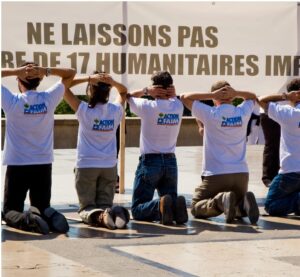
“For Muttur, and for humanitarians everywhere, we will never forget, and we will never give up.” Perrine Benoist, Action Against Hunger Co-Director General.
“Just after the murders I went to Sri Lanka and I met the families. We promised them that we would never forget and that we would keep fighting for justice. That promise remains until today, twenty years later.” Benoit Miribel, Action Against Hunger Director General in 2006.
In August of 2006, the small of Muttur in the Trincomalee district was caught in the middle of fierce fighting between security forces and the LTTE, a battle won by the government soldiers. The LTTE retreated and the army took control of the town on August 2.
Sri Lankan staff members of the Paris-based international aid organisation Action contre la Faim (Action Against Hunger or ACF) were caught up in the shelling and shooting, stranded in their office compound.
The military informed foreign journalists shown the scene that the LTTE had murdered the 13 men and four women, all Tamils except for one Muslim. However, reporting by the University Teachers for Human Rights (Jaffna) later exposed the official account. The group said that two police constables and naval special forces commandos were responsible for the killings and that senior police and justice officials were involved in a coverup.
The massacre, one of the most serious ever committed against humanitarian workers, has gone unpunished. For 20 years, ACF has fought for the truth and justice, condemning flawed inquiries and calling upon the international community to recognise who was responsible and ensure justice for the victims.
ACF had been working in Sri Lanka since 1996, and since 2001 in Muttur. The association ran water, hygiene and sanitation programmes there as well as food security projects. It left the country in 2008.
Seventeen ACF humanitarian workers were shut away in its offices despite the ICRC’s attempts to evacuate them, which fail due to the fighting. On the evening of August 3, the office was made as visible as possible with ACF flags and stickers, and the Trincomalee police confirmed to ACF that the police and soldiers present in Muttur were aware of the presence of humanitarian workers there.
The army declared that it had taken back control of Muttur. Around 7 am, ACF lost contact with its teams in Muttur. It tried to organise an evacuation by road but was stopped at an army checkpoint 10 kilometres from Muttur. The first rumours of the massacre began to emerge but the Sri Lanka Monitoring Mission and ACF were prevented from entering Muttur by the army, officially for security reasons.
On August 6, after several attempts, the ACF teams finally managed to reach Muttur. They discovered the first 15 bodies in the offices, face down, with ACF T-shirts visible and gunshot wounds in the head and neck. Two more bodies are found later in a vehicle. They were young people, most of them aged between 23 and 36, who came from local communities. Together, they were an experienced team recognised for their crucial role in post-tsunami assistance efforts.
The evidence gathered by ACF, independent NGOs and international observers indicated that the likely culprits were members of the security forces.
The ACF workers had been on a daily assignment to Muttur when the LTTE attacked and temporarily took control of the town. The workers were advised by the army to remain in their compound rather than to evacuate. Police reports indicated that the police concluded that the LTTE was responsible for the killings without any investigations. Seven months after the murders, the CID had not interviewed any member of the security forces nor any witness, other than some of the relatives of those killed.
The Sri Lanka Monitoring Mission found that “there cannot be any other armed groups than the security forces who could have been behind the act,” as by the date of the killing the security forces had gained full control over Muttur.
Flaws in the police investigation were also identified including, among others, a delay of several days before the police took any action, neglect for preservation of evidence at the crime scene, failure to undertake many elementary forensic analyses. The Office of the UN High Commissioner for Human Rights Investigation on Sri Lanka report (OISL report) observed that evidence was also tampered with or disappeared.
ACF cooperated in several national investigations run by the authorities but concluded in 2008 that these investigations were marred with irregularities. “Local police did not fulfil their obligations to secure the crime scene, preserve evidence or even collect the bodies of those killed. The bodies of our slain colleagues were left in the compound for several days, until Action Against Hunger staff finally gained access and themselves had no option but to load the dead bodies of their colleagues onto trucks.
“Furthermore, investigations were the subject of politically motivated interference. This included failure to secure evidence such as bullets which may have pointed to the responsibility of the Sri Lankan Special Forces, the intimidation of witnesses to prevent them from testifying, and orders from high level officials in the Sri Lankan government to stop investigating certain people,” ACF said in a new report, 20 Years On From The Muttur Massacre Of Aid Workers.
“Twenty years on, we are calling on the Sri Lankan government to reopen a transparent, independent and effective investigation to identify the people responsible for the execution of our colleagues. Sri Lanka, like many other states, has signalled its commitment to accountability for attacks on humanitarians. We further call on other states to push for accountability in this case, and join us in the fight against impunity for attacks on humanitarian workers across the world… Over the years, Action Against Hunger and other actors have publicly reported on the lack of accountability for the murder of our colleagues at Muttur, the probable perpetrators of this crime, as well as efforts to hide culpability.
“The families of the victims are those who suffer the most, enduring acute trauma and grief from the memories of that terrible period, and the violent way in which their loved one was killed continues to haunt them. The lack of justice in this case has been a significant source of suffering amongst family members,” the report said.
While the government made a 2024 election pledge to establish an independent prosecutor to pursue emblematic cases from the civil war, it has yet to be formed.
ACF called on the authorities to reopen an impartial, transparent and effective investigation into the massacre and for states to call on Sri Lanka to address the impunity in the Muttur case by opening an impartial, transparent and effective investigation into the events of 2006.
The international community, including the UN, should continue to follow up at all levels on any developments on the case, it said, pointing out that Sri Lanka has shown its commitment to the protection of humanitarian workers by signing the Declaration for the Protection of Humanitarian Personnel. It called on Sri Lanka to make good on its commitments under the Declaration and International Humanitarian Law and finally provide answers to the families.
Understanding the Muttur massacre
On 4 August 2006 in Muttur, Sri Lanka, 17 Action contre la Faim humanitarian workers were murdered on the NGO’s premises, while they were assisting populations affected by the tsunami and conflict. This massacre, one of the most serious ever committed against humanitarian workers, has gone unpunished. For almost 20 years, Action contre la Faim has tirelessly fought for the truth and justice, condemning flawed inquiries and calling upon the international community to recognise who was responsible and ensure justice for the victims.
#NeverForgetNeverGiveUp
#JusticeForMuttur
Action contre la Faim’s work in Sri Lanka
Action contre la Faim had been working in Sri Lanka since 1996, and since 2001 in Muttur. The association ran water, hygiene and sanitation programmes there, as well as food security projects.
Following the tsunami of 26 December 2004, Action contre la Faim greatly intensified its operations there. Some 150 tonnes of materials were sent and more than 16 million euros from private funding were mobilised to respond to the humanitarian emergency, restore drinking water access and support survivors of the tsunami. ACF left the country in 2008.
A complex geopolitical context
Between 1983 and 2009, a violent conflict took place in Sri Lanka between the Sri Lankan government, dominated by the Sinhalese majority, and the Liberation Tigers of Tamil Eelam (LTTE), a separatist Tamil movement that sought to create an independent state called Tamil Eelam.
In 2006, Sri Lanka was immersed in an acute phase of its civil war between the government and the Liberation Tigers of Tamil Eelam (LTTE).
The north-east part of the country, including Trincomalee and Muttur, was a particularly militarised area, characterised by frequent clashes, bombings, mass displacement of civilians and the presence of multiple authorities (Sri Lankan army, LTTE and paramilitary groups).
A reminder of what happened:
- 1–2 August: The Liberation Tigers of Tamil Eelam attack Muttur and quickly take control of the town. The Sri Lankan army counterattacks, with intense bombing in the area. Thousands of civilians flee.
- 3 August: 17 Action contre la Faim humanitarian workers are shut away in ACF’s offices, despite the International Committee of the Red Cross’s attempts to evacuate them, which fail due to the fighting. On the evening of 3 August, the office is made as visible as possible, with ACF flags and stickers, and the Trincomalee Police confirms to Action contre la Faim that the police and soldiers present in Muttur are well aware of the presence of humanitarian workers there.
- 4 August: The army declares in the press that it has taken back control of Muttur. Around 7 am, Action contre la Faim loses contact with its teams in Muttur. Action contre la Faim tries to organise an evacuation by road, but the mission is interrupted at an army checkpoint 10 km from Muttur. The humanitarian workers are executed on the NGO’s premises. According to later inquiries, they are lined up and shot at point blank range.
- 5 August: The first rumours of the massacre begin to emerge. Nonetheless, the Sri Lanka Monitoring Mission (created to monitor the ceasefire in Sri Lanka) and Action contre la Faim are prevented from entering Muttur by the army, officially for security reasons.
- 6 August: On 6 August, after several attempts, the Action contre la Faim teams finally manage to reach Muttur. They discover the first 15 bodies in the offices, face down, with ACF T-shirts visible and gunshot wounds in the head and neck. Two more bodies are found later on in a vehicle.
- 7 August: The bodies are moved by an Action contre la Faim team to Trincomalee Hospital on 7 August.
The victims
The 17 victims were Sri Lankan employees of Action contre la Faim, all involved in essential humanitarian programmes, mainly relating to water, sanitation, hygiene and food security.
They were young people – most of them aged between 23 and 36 – who came from local communities. Together, they were an experienced team recognised for their crucial role in post-tsunami assistance efforts.

“They were aid workers…who paid with their lives for their good intentions.”
Jan Egeland, former UN Emergency Relief Coordinator
A fight for justice
The evidence gathered by Action contre la Faim, independent NGOs and international observers coincides in indicating that the likely culprits are members of the Sri Lankan security forces.
To date, Sri Lankan proceedings have been a resounding failure and the Sri Lankan government has shown a flagrant reluctance to establish the truth. We hope the government reassumes its responsibilities soon.
‘Nearly 20 years after the killings, the perpetrators of these attacks have still notbeen arrested, prosecuted and punished.’
Quote from UN experts, 2025
Timeline
-
Joint NGO declaration
A joint declaration signed by 28 NGOs is published. They urge the Sri Lankan government to do everything in its power to make sure the Muttur war crime does not go unpunished. They call upon the warring parties to respect international humanitarian law and humanitarian principles and ask governments and the United Nations to use all possible means of diplomatic pressure. -
Three national inquiries are carried out, without any results.
The proceedings in Sri Lanka are an abject failure, and the Sri Lankan government shows a blatant reluctance to commit to establishing the truth. In response, Action contre la Faim decides to leave the country in 2008 and withdraw from any local proceedings under way. The association takes this opportunity to publicly reveal all the obstacles it has encountered and call for the opening of an international inquiry as the last chance to identify those responsible. -
A petition for the opening of an independent UN inquiry is issued.
-
ACF publishes a damning report identifying the security forces as the responsible party.
-
Opening of an international inquiry via the Human Rights Council following requests from different parties, especially ACF.
-
The United Nations Human Rights Council publishes a report on the crimes committed during the Sri Lankan civil war.
It corroborates Action contre la Faim’s conclusion and calls for the creation of an international Special Court. This proposal is rejected by the Sri Lankan authorities. -
Action contre la Faim continues to demand justice.
While calls for justice remain blocked and the United Nations’ recommendations are left unimplemented, Action contre la Faim continues to demand justice for Muttur in international venues (Security Council 2021, conference and international events).
20 years later, Action contre la Faim has not forgotten
Twenty years have gone by, but we have not forgotten them. Since 2006, we have made sure to commemorate our colleagues murdered in Sri Lanka. These are our campaigns:
2007: Un an après le massacre de Muttur – Action contre la Faim
2008: commémoration 2 ans après le drame – Action contre la Faim
2009: A quand la fin de l’impunité contre le meurtre d’humanitaires ? – Action contre la Faim
2011: Muttur – 5 ans. Nous ne les oublions pas. – Action contre la Faim
2013: sept ans plus tard, un crime toujours impuni – Action contre la Faim
2014: Nous n’oublions pas – Action contre la Faim
2015: la lumière doit être faite sur le massacre de Muttur – Action contre la Faim
2016: Muttur: 10 ans après, nous ne les oublions pas
2017: SEEKING JUSTICE FOR AID WORKERS ASSASSINATED IN SRI LANKA: WE WILL NEVER GIVE UP – Action contre la Faim
2018: Disregard for the 17 victims of the Muttur massacre
2021: MUTTUR : 15 YEARS OF INDIFFERENCE !
2026: rapport-muttur-2026-en-web-compressed_74178155e0.pdf
Protecting humanitarian workers
Understanding the Muttur Massacre leads to reflections on the crimes committed against humanitarian workers. More and more frequently, deliberate attacks are targeting them. Data collected on our colleagues’ safety show an increase in serious attacks. In 2025, 332 humanitarian employees were killed, 144 kidnapped and 228 injured. The vast majority of these cases involved national workers, meaning employees born in the country where they work.
Find out more: Not a Target:Stop crimes against humanitarian workers – Action contre la Faim