by Sulochana Ramiah Mohan, Sydasien, Sweden, July 7, 2026
[Translated from the original Swedish by Google translate.]
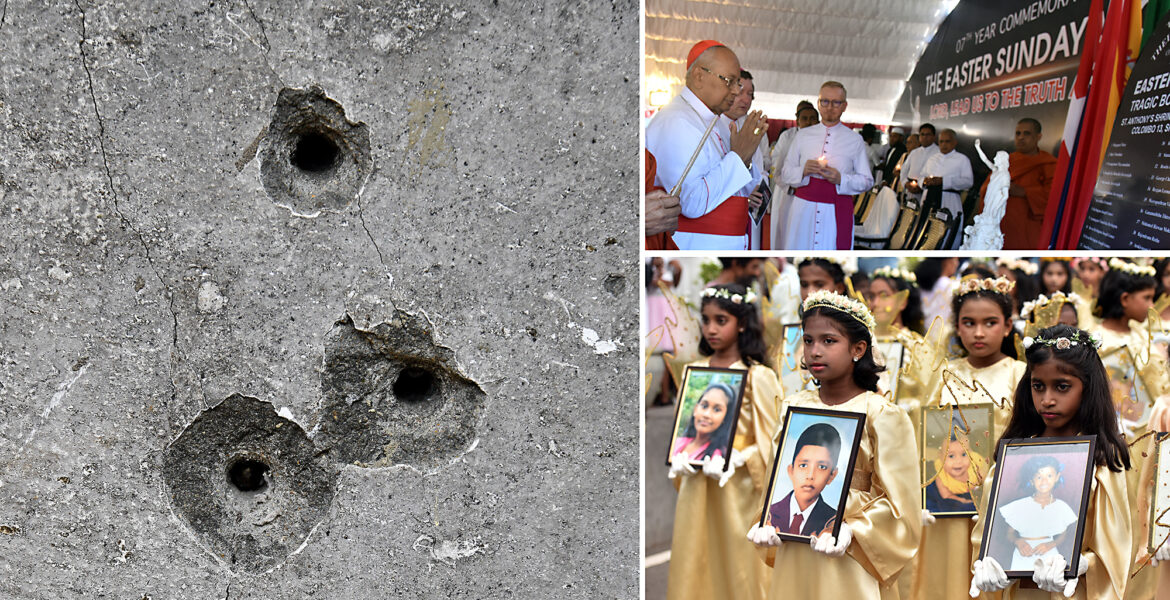
Estimated reading time 11 minutesSri Lanka has been characterized by impunity, as accountability has been lacking after wars, disasters and national tragedies. The terrorist attacks on Easter Sunday, April 21, 2019, are an exception. The process continues and an increasing shadow falls over a former head of Sri Lanka’s intelligence service.
Whereas a total of 279 people were killed in the coordinated suicide attacks in Sri Lanka on 21 April 2019; Hundreds were injured and thousands of close relatives were struck by shocking grief. It was the work of a group of extremists who targeted Easter celebrating Christians in churches in Colombo, Negombo and Batticaloa.
 Powerful explosive devices carried in bags and backpacks detonated just as worshippers had gathered for Mass on Easter Sunday. At the same time, the Shangri-La, Kingsbury and Cinnamon Grand hotels in Colombo were attacked. The timing was also chosen to cause the maximum number of killed and wounded. Hotel guests from all over the world were killed and injured while eating breakfast.
The attacks were carried out by a group of Islamist extremists linked to Zahran Hashim from Kattankudy in Sri Lanka’s Eastern Province. This is the deadliest terrorist attack in Sri Lanka’s history since the war years 1983-2009 and the worst in the world since the attacks in the United States on September 11, 2001.
The questions surrounding the attacks intensified when, just two days after the bombings, former defense secretary Gotabaya Rajapaksa announced that he would run for president. Had he not made that statement, it is possible that the Easter Sunday attacks – and the suspicions of an alleged “inside hand” behind them – would have gradually fallen into oblivion along with the victims.
Bimal Rathnayake, who has held the post of Minister of Transport, Roads and Urban Development since 2024, recently said that Gotabaya Rajapaksa’s announcement, just days after the attacks, to run for president “has raised suspicions that the attacks may have been used for political gain by creating a climate of fear around national security”.
New accusations and investigations once again shine a spotlight on several key people in and around the previous government. One name that is repeatedly mentioned is the former head of Sri Lanka’s State Intelligence Service, Suresh Sallay.
Allegations of links between not only Sallay but also other senior officials regarding various aspects of the Easter Sunday attacks have surfaced periodically over the years. Since the NPP government took office in 2024 and in-depth investigations were initiated, these have gained new relevance.
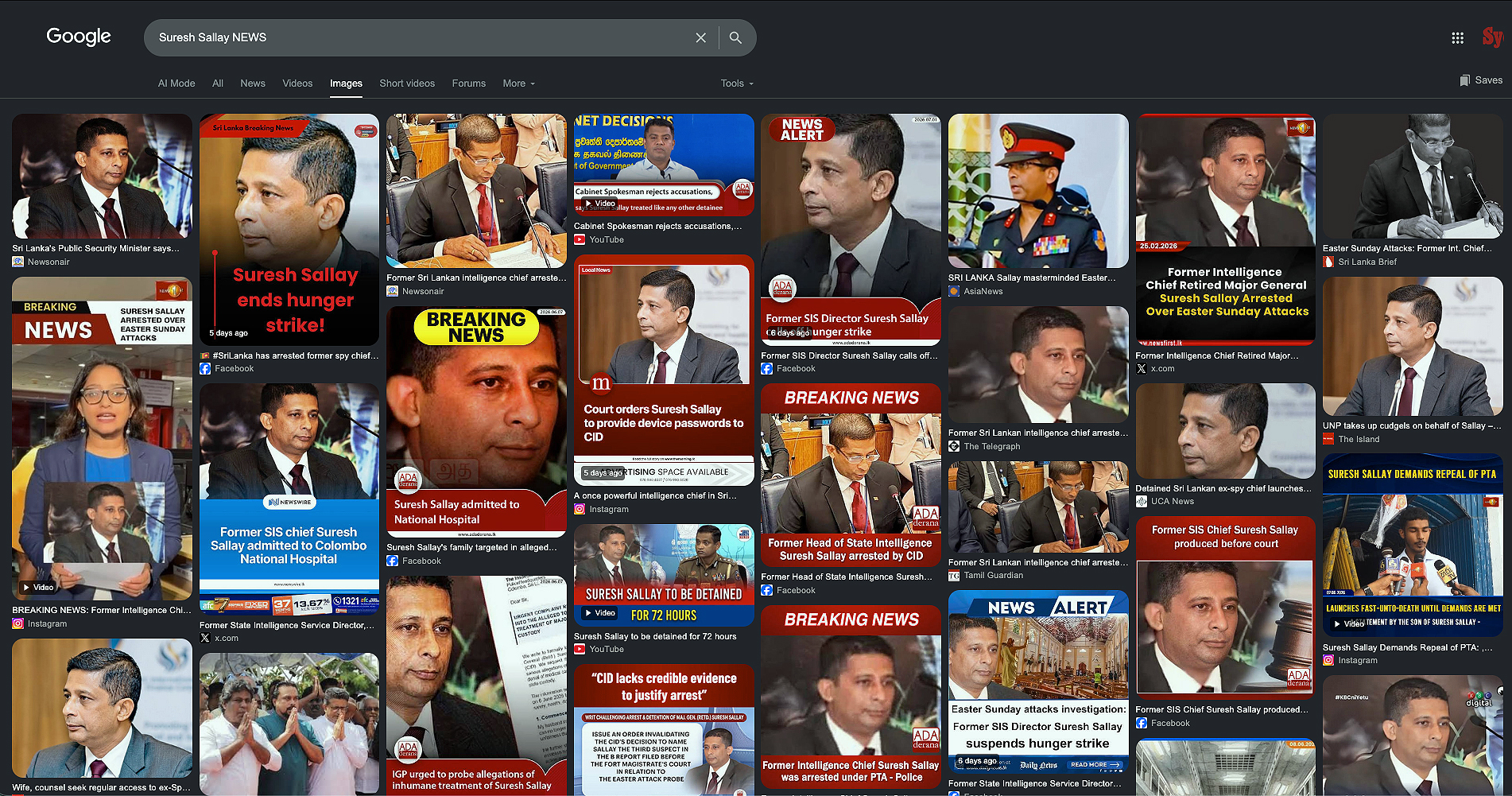
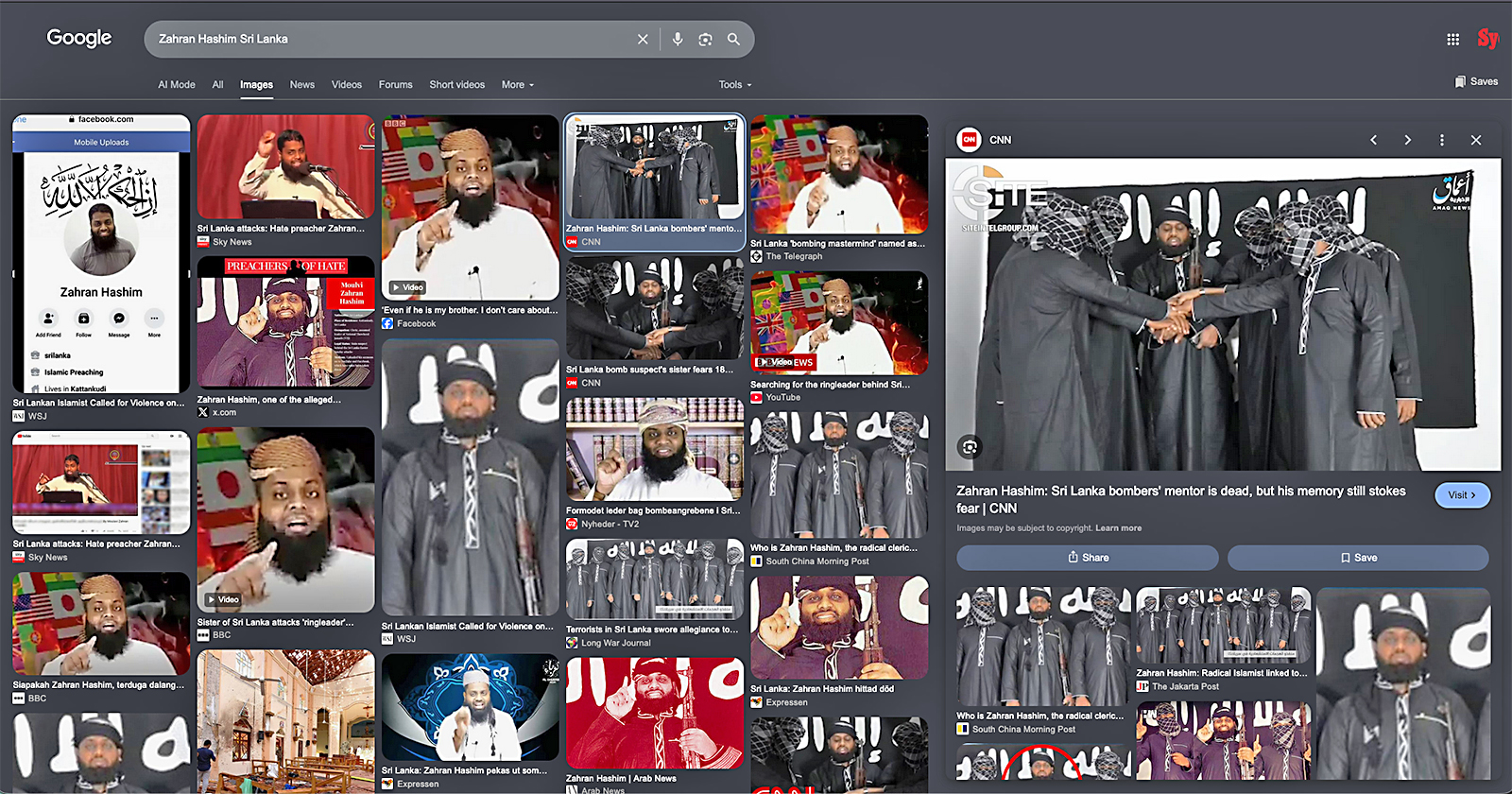
The news feed around Suresh Sallay (search 7 July 2026). Mainly media in Sri Lanka draw attention to his suspected involvement in the terrorist attacks on April 21, 2026. Link: Google.com
The Vatican has always shown a strong commitment to justice for the victims. The Holy See is the body that reports directly to the Pope and is the central governing authority of the Roman Catholic Church. The organization also has observer status in the United Nations.
On several occasions since the attacks, its representatives have visited Sri Lanka and called on the authorities in Laner to carry out a credible investigation and to provide the relatives of those killed in what many believe was a tragedy that could have been prevented. Families, friends and the country at large have had to wait for answers. The truth is still pending.
One of the Vatican’s representatives is Dr. Brian Udaigwe, who is the apostolic nuncio, i.e. diplomatic envoy to the Holy See. From 2020 to 2025, he was the Vatican’s and the Pope’s ambassador and extended arm in Sri Lanka. Since 2025, he has been nuncio to Ethiopia and has since gained additional African countries to work with.
Udaigwe visited Sri Lanka on several occasions and conveyed greetings from Pope Francis during his pontificate, which lasted until April 21, 2025, the day Francis left earthly life. Udaigwe underlined the Vatican’s support for Sri Lanka’s development, while stressing the importance of clarifying the truth about the Easter Sunday attacks and holding those responsible accountable.
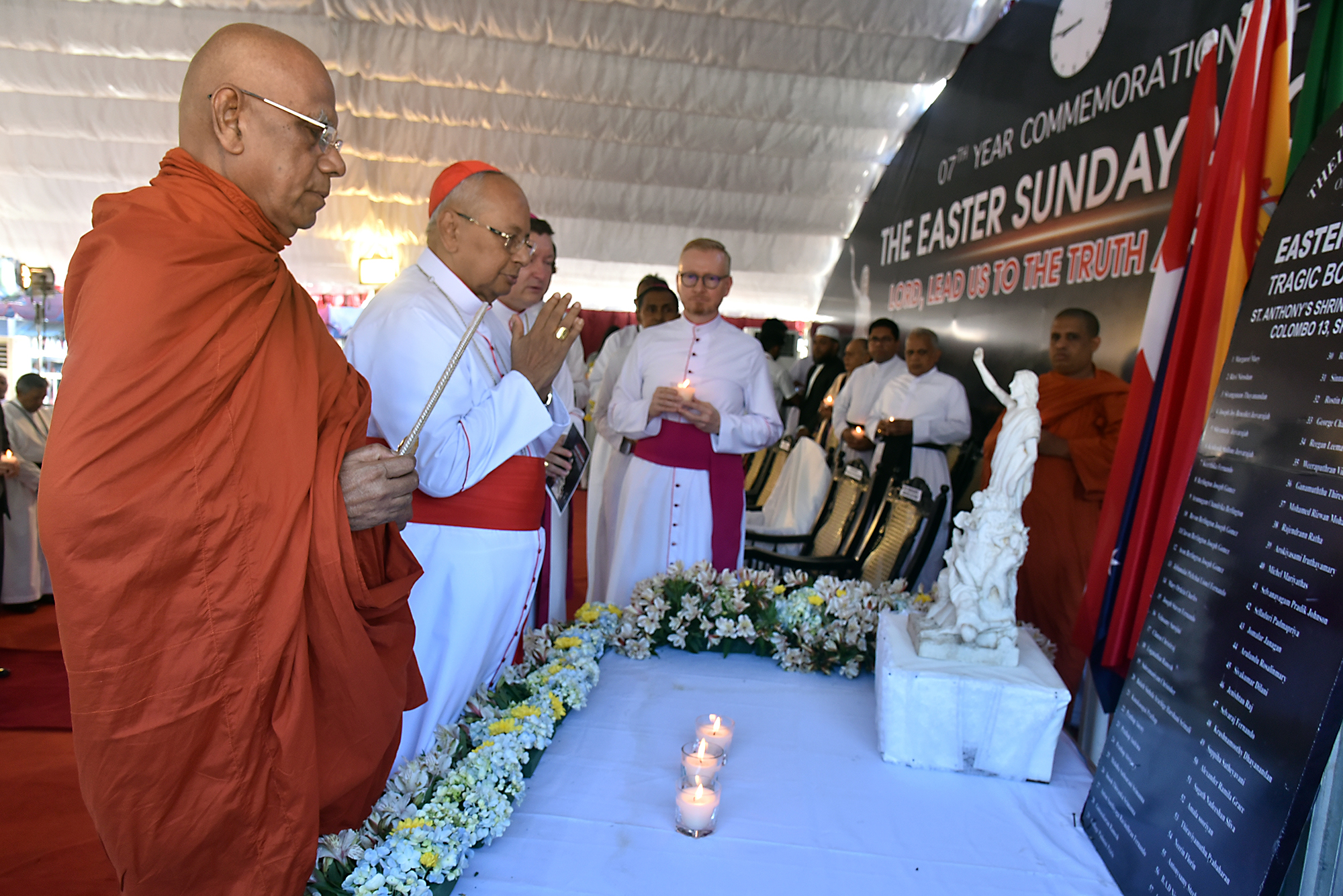
Immediately after the Easter Sunday attacks, Cardinal Malcolm Ranjith, Archbishop of Colombo, described the tragedy as “a very, very sad day for all of us.”
“I would therefore like to express my deepest sorrow and condolences to all the innocent families who have lost a loved one, as well as to those who have been injured and left in need,” he said.
Cardinal Ranjith continued:
“I condemn – with all the force I can – this act that has caused so much death and suffering among people.
He also called on the Sri Lankan government to conduct “a very impartial and thorough investigation and find out who is responsible for these acts.”
Since then, the cardinal has continued to speak on behalf of the victims and repeatedly criticized politicians when he felt that the investigation had gone astray. He has repeatedly asked who was the real “mastermind” behind the attacks – a person the authorities still say they are looking for.
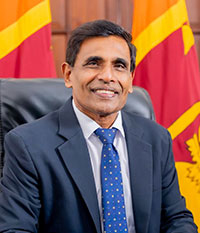
Ananda Wijepala is Sri Lanka’s current Minister of National Security. Photo: Sri Lanka Government
Seven years later, the Easter Sunday attacks remain one of the most divisive issues in Sri Lankan politics and social life. Recent developments have further deepened political and religious polarisation following the allegations levelled by the Minister of National Security, Ananda Wijepala, against the former head of the State Intelligence Service, Suresh Sallay.
Sallay has been treated at Colombo National Hospital after making accusations that he was mistreated and that the investigation into him was not handled properly. On June 6, he began a protest against the way he had been treated and refused to eat and drink.
His health deteriorated and on June 27 he was taken to the hospital’s cardiology department.
On the advice of his legal representatives, he ended the protest on July 1. On the same day, the court rejected his request to replace the management of the investigation and decided that it should continue in its current form.
The court has also ordered Sallay to cooperate with investigators, including by disclosing passwords to his mobile phones and computers. Due to medical reasons, he can now be allowed to participate in upcoming court hearings via video link.
Representatives of Christians in Sri Lanka have broadly welcomed the resumption of the investigation and stressed that all those responsible, regardless of position or position, must be held accountable.
At the same time, supporters of the Rajapaksa administration and parts of the Buddhist majority population have claimed that the investigation is politically motivated. The circumstances surrounding Sallay’s detention have been questioned, with reference to the Prevention of Terrorism Act (PTA).
Critics have pointed to the irony of the fact that Sallay, who previously led intelligence operations against the LTTE and himself used the PTA law during interrogations, is now detained under the same legislation.
Minority groups, especially the Tamils, have for decades criticized the law for allowing for long-term detention without trial and because the law is considered to have facilitated state abuses. Sallay himself is reported to have advocated for the PTA to be abolished and at the same time expressed concern about how the investigation has been conducted while he has been held in police custody.
Minister Ananda Wijepala has made serious accusations against the former intelligence chief in Parliament. According to the minister, the investigators have collected evidence that indicates that Suresh Sallay had prior knowledge of the planning of the terrorist attacks and of the extremists’ activities.
He has stated in his speeches that three weeks before the attacks, Sallay had used four Muslim people to collect important information, including how many people used to attend Mass in a church in Negombo.
“The most important of these four people has been identified by witnesses before the Criminal Police (CID) as an ISIS extremist and has been missing since the Easter Sunday attacks. There are also reports that indicate that Sallay met with the informant who alerted the army’s intelligence service about the planned attacks on a hotel in Colombo, Wijepala said in parliament.
The minister claims that Sallay had taken steps to prevent the publication of information that could have revealed crucial circumstances of the attacks.
Wijepala also denied reports of mistreatment and said Sallay had been given all the rights and access to facilities of a prime suspect, including regular contact with his legal representatives.
According to the minister, Sallay has so far refused to hand over the passwords to his laptop and mobile phone, something that the authorities believe has made the investigation more difficult.
At the same time, Sallay’s wife and his legal representative have expressed concern about his detention and state of health in connection with the hunger protest. They have called on the authorities to provide him with regular access to relatives and legal counsel and to ensure his well-being.
The investigation has also raised concerns among military, defense personnel and opposition politicians regarding the publication of sensitive information about national security. Some argue that intelligence should not be discussed publicly and warn that such disclosures could harm the country’s security interests.
As more and more conflicting information and interpretations have come to light, the investigation into the Easter Sunday attacks has become a central issue in the political, religious and legal debate.
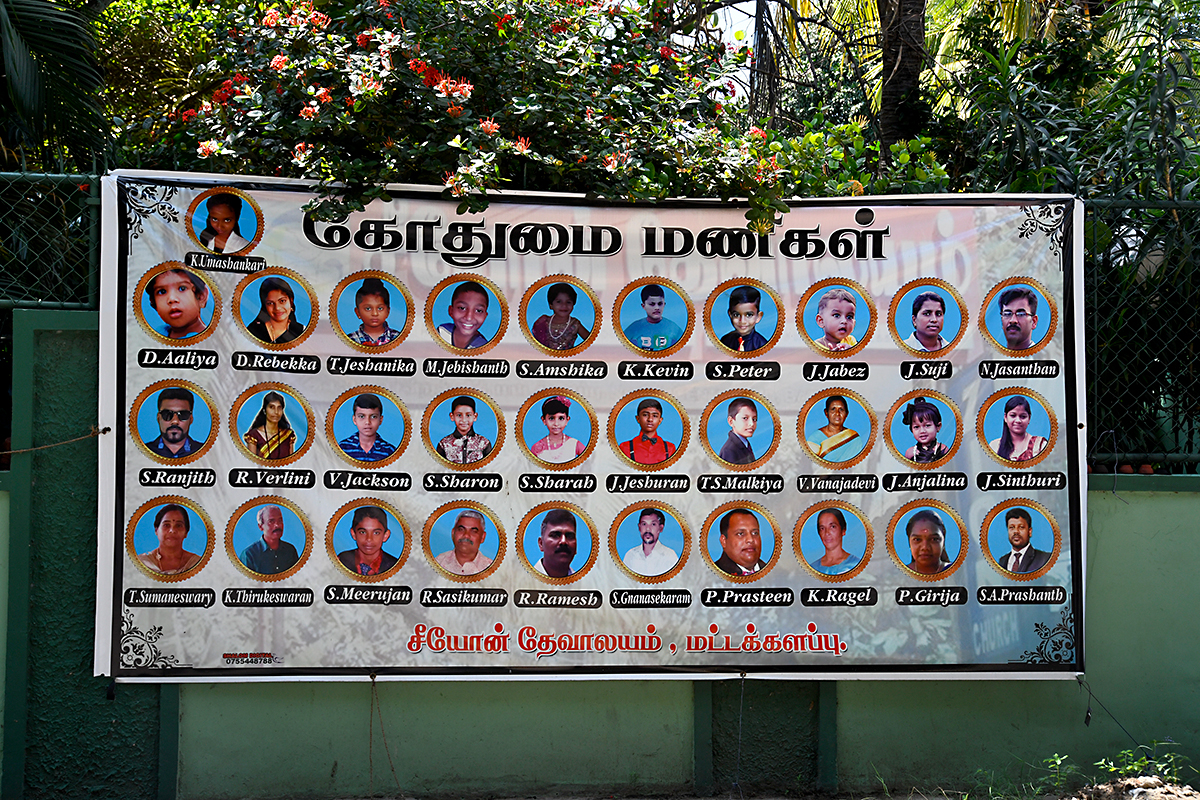
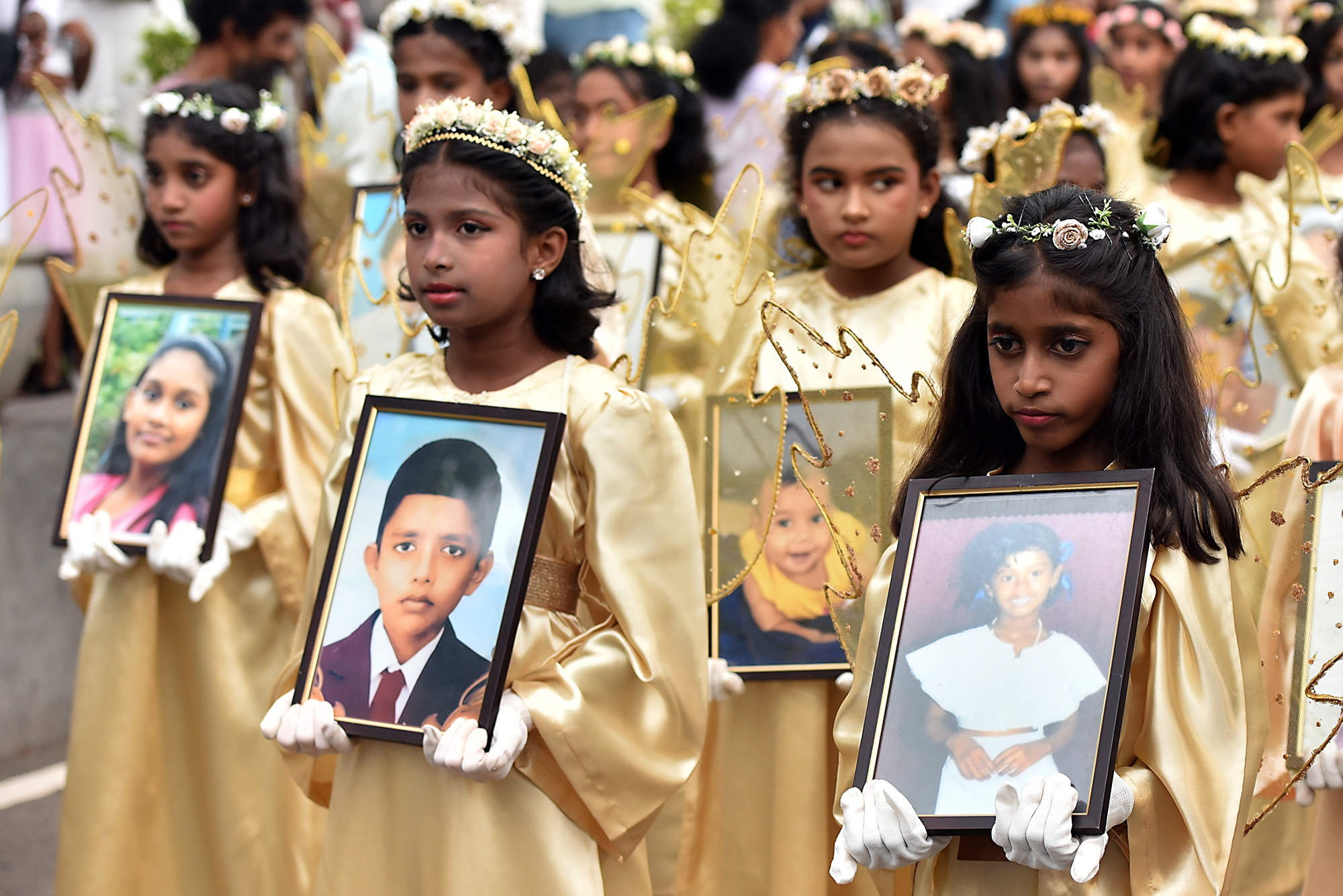
The government claims that the purpose of the investigation is to clarify the truth behind the deaths of the 279 people, which in each individual’s case should be classified as murder and on an overall level as terrorist crimes. Critics argue that the process must be transparent, impartial and free from political influence in order to maintain public trust.
The case has also attracted a lot of attention because it has had significant consequences for Sallay’s family, not least his wife and son, whose private lives have increasingly come into the public eye.
The Government has made it clear that the investigation is continuing. The protests that have taken place should not hinder the investigation. Everything is being done against the background of the international community’s demands that Sri Lanka uphold human rights and demand accountability. Requirements are also part of the terms of Sri Lanka’s program through the IMF, the International Monetary Fund.
Nalinda Jayatissa, media minister in the Sri Lankan government, has made it clear that the authorities will not be influenced by demonstrations and that the investigation continues.
At the same time, the case gives rise to an intense public debate, especially about the roles of different actors and about how to interpret failures in intelligence activities and links to extremist networks.
Some commentators and political actors have questioned why the early warning signs and extremist activity were not met with strong measures. Others warn against generalisations, pointing out that investigations are still ongoing and that responsibility must be established through judicial and parliamentary processes.
Zahran Hashim has been described in official investigations as the leader of the group that was behind the attacks. His identity and the group’s ideology remain a sensitive and controversial issue in the public debate.
He has been linked to extremist preaching and radical content published online. At the same time, parts of the Muslim population have rejected attempts to link his actions to Islam as a religion, claiming that his ideology deviates from the teachings of Islam.
Others believe that this amounts to whitewashing and that the existence of Islamist extremism is overlooked and downplayed and has been crucial to the carrying out of the attacks.
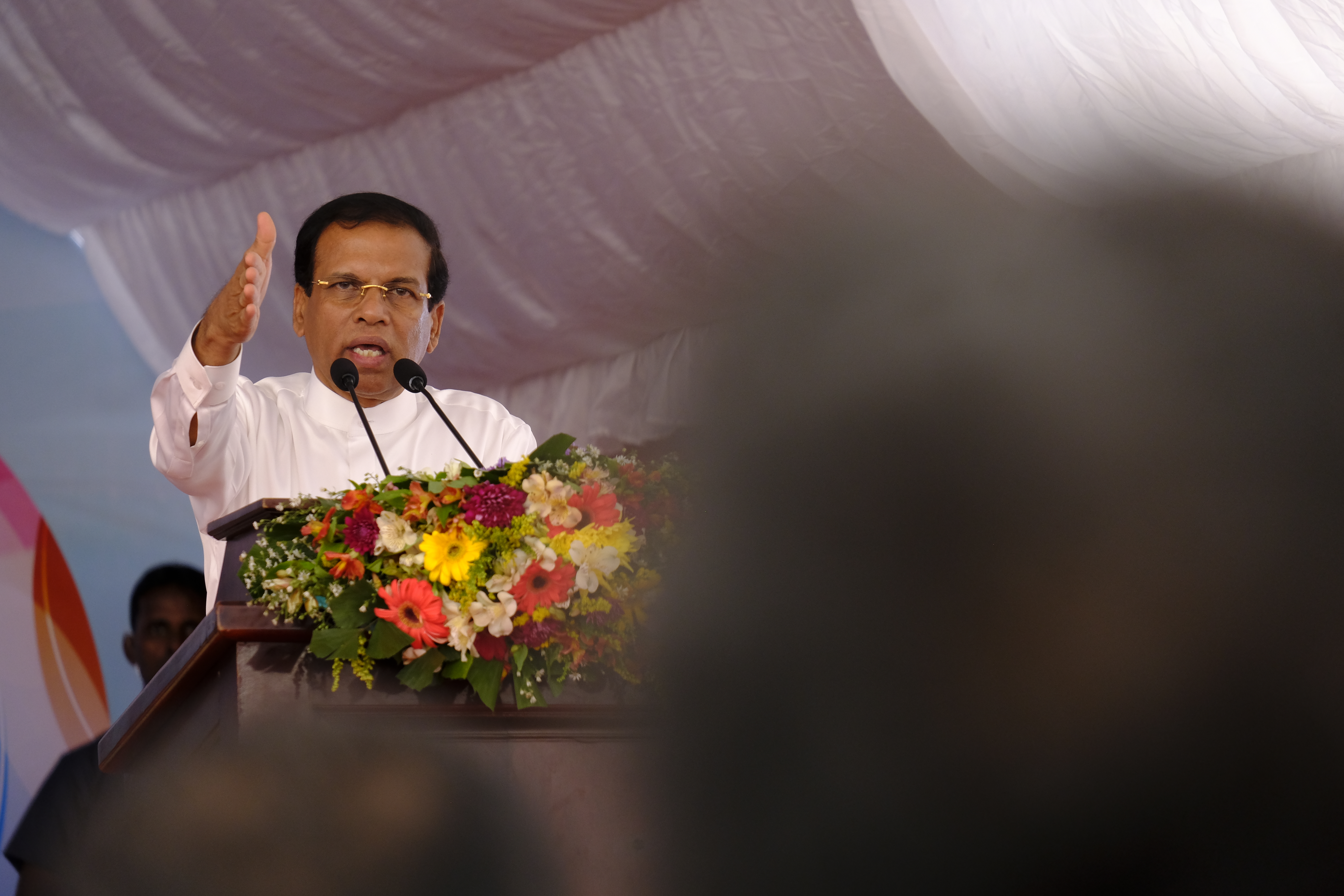
Maithripala Sirisena was president at the time of the attacks. Now he has been drawn into the debate again. He has previously said that there were serious shortcomings in the intelligence work and he has suggested that foreign interests may have been involved in the events.
Sirisena has further claimed that the attacks were aimed at destabilizing and “overthrowing” his government while he was still president. According to Sirisena, the foreign force that he suspects is behind the events is very powerful and something he himself cannot “fight against”.
Sri Lanka’s Supreme Court has previously ordered Sirisena to pay 100 million rupees in damages to the victims. The court found that he and other senior state officials had not acted on the intelligence warnings that existed before the attacks and thus contributed to the tragic outcome.
The judgment, which was announced in January 2023, was part of a fundamental rights case brought by victims and relatives. Sirisena later made the payment, which the court had ordered him to pay personally for the omissions.
Zahran Hashim, who reportedly worked as a preacher in Kattankudy, is described in several investigations as a person who delivered radical sermons to his followers, including via the internet.
Some of his video recordings were widely disseminated after the attacks. The authorities have also reviewed his network of contacts and recruitment activities in the period before the bombings.
During fieldwork in Kattankudy, the city now primarily associated with Hashim, it proved sensitive to visit certain places where he had previously preached. Some residents were reluctant to speak publicly or to participate in more detailed reporting on the religious sites associated with him.
But the reactions vary. Some dismiss him as someone who did not represent the teachings of Islam, while admitting that he has been active as a preacher.
The Easter Sunday attacks are a deeply divisive issue in Sri Lanka. It is characterized by contradictions, competing narratives, ongoing investigations and unanswered questions about the failures of intelligence activities, the existence of extremist networks and political responsibility. Far more than just the closest relatives are waiting for a true and complete review with subsequent accountability.